Introduction
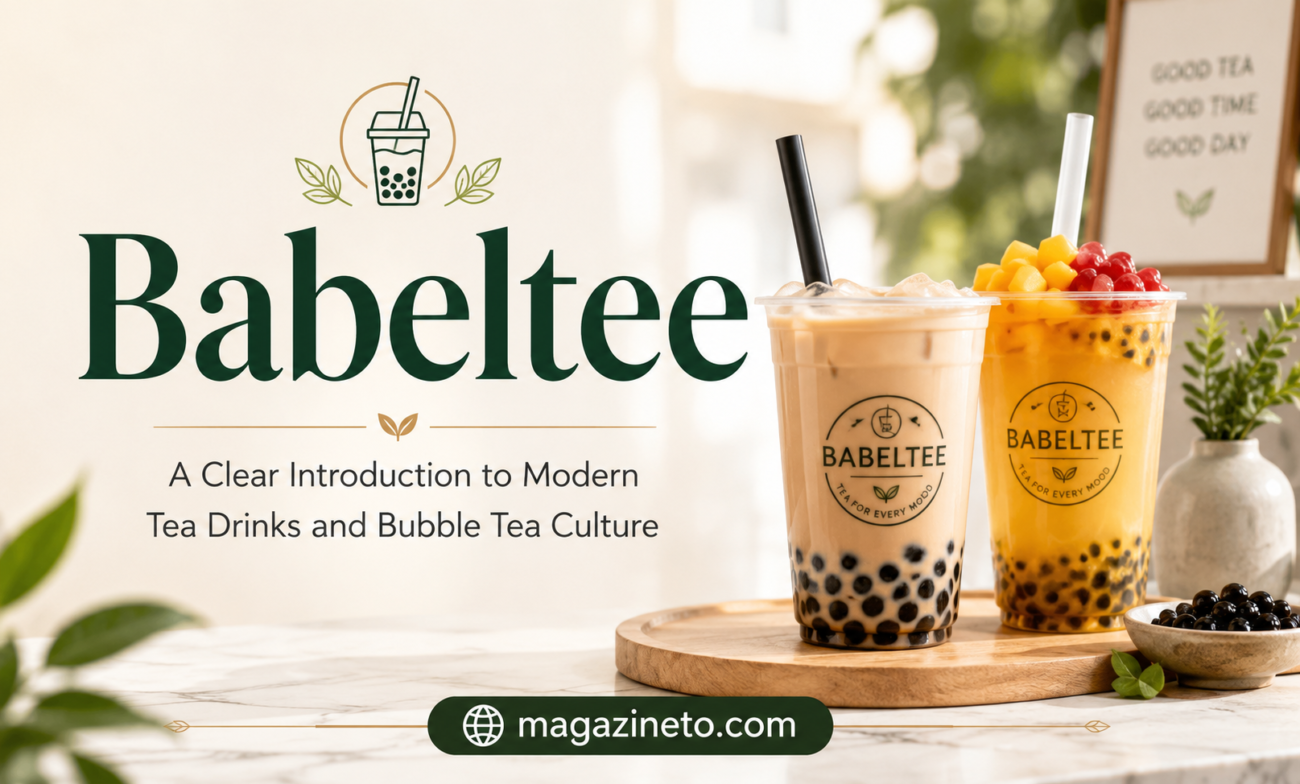
Babeltee is a term that is mostly connected with modern tea drinks, bubble tea culture, and creative beverage trends. It is not a traditional dictionary word, and it does not have one fixed meaning everywhere. In many online uses, babeltee appears as a name or label for a tea-based drink that may include milk, fruit flavors, herbs, sweeteners, and chewy toppings such as tapioca pearls.
The word is useful because it gives a fresh identity to a familiar idea. Tea has existed for centuries, while bubble tea and flavored tea drinks became popular much later. Babeltee sits somewhere between these two areas. It can be understood as a modern tea concept that mixes traditional tea preparation with newer flavors, textures, and serving styles. This article explains babeltee in a straightforward way, including what it means, how it may be prepared, why people are interested in it, and what buyers should know before trying it.
What Is Babeltee?
Babeltee can be described as a modern tea-based drink concept. It usually refers to a drink made with brewed tea as the base, then mixed with milk, fruit syrup, natural flavors, herbs, ice, or toppings. In some cases, it may be close to bubble tea. In other cases, it may be a broader term for a mixed tea drink with a creative presentation.
The main idea behind babeltee is variety. A simple cup of tea usually follows a fixed method. Babeltee allows more freedom. It can be creamy, fruity, cold, warm, sweet, mild, or strong depending on the recipe. This flexibility is one reason the term fits well into modern café culture, where customers often want personalized drinks rather than one standard option.
Connection With Bubble Tea
Babeltee is often discussed in connection with bubble tea because both share similar features. Bubble tea is a tea-based drink commonly served with chewy tapioca pearls or other toppings. It may include black tea, green tea, oolong tea, milk, fruit flavoring, sugar, and ice. Babeltee can follow the same general style while using its own name and presentation.
The key point is texture. Ordinary tea is mostly about taste and aroma, but bubble-style drinks add something to chew. Tapioca pearls, jelly cubes, popping boba, or fruit pieces create a different drinking experience. Babeltee can be seen as part of this wider movement toward drinks that are not only consumed but also experienced through flavor, texture, and appearance.
Why Babeltee Is Getting Attention
Babeltee is getting attention because people are interested in drinks that feel personal and flexible. Many customers no longer want only basic tea, coffee, or soft drinks. They want options. They want to choose the tea base, sweetness level, milk type, flavor, and toppings. A drink like babeltee gives room for that choice.
Another reason is social media. Tea drinks with layers, pearls, colorful toppings, and branded cups are easy to photograph and share. A visually clear drink can travel faster online than a plain one. However, this does not mean babeltee is only about appearance. Its success still depends on taste, freshness, pricing, and consistency.
Common Ingredients in Babeltee
A basic babeltee drink may begin with tea. Black tea gives a strong base. Green tea gives a lighter taste. Oolong tea can offer a deeper flavor. Some versions may use herbal tea or fruit tea instead. The tea base matters because it controls the main character of the drink.
Milk is another common ingredient. Dairy milk may be used, but many shops also offer alternatives such as oat milk, almond milk, or soy milk. Fruit syrups, honey, brown sugar, or simple syrup may be added for sweetness. Toppings may include tapioca pearls, fruit jelly, grass jelly, pudding, popping pearls, or fresh fruit. The final drink depends on how these ingredients are balanced.
How Babeltee May Be Prepared
The preparation of babeltee usually starts with brewed tea. The tea must be strong enough to hold its flavor after milk, ice, or syrup is added. If the tea is too weak, the final drink may taste flat. If it is too bitter, it may need too much sugar to become pleasant.
After brewing, the tea is cooled or mixed while warm, depending on the recipe. Milk, fruit flavor, or sweetener is added. The drink may then be shaken to create a smooth mix. Toppings are usually placed at the bottom of the cup before the liquid is poured in. Ice is added if the drink is served cold. A wide straw is often used when pearls or jelly pieces are included.
Taste and Texture
The taste of babeltee depends on the recipe. A milk-based version may be smooth and creamy. A fruit-based version may be lighter and sharper. A brown sugar version may taste richer and sweeter. A herbal version may feel cleaner and less heavy.
Texture is just as important as taste. Chewy pearls make the drink feel more filling. Popping boba adds small bursts of flavor. Jelly gives a softer bite. These toppings turn the drink into something between a beverage and a light snack. That is one reason drinks like babeltee can feel more satisfying than ordinary iced tea.
Babeltee and Café Culture
Babeltee fits naturally into café culture because it allows menus to be creative. A café can offer several versions without changing the main concept. One customer may choose classic milk tea with tapioca pearls. Another may choose mango green tea with fruit jelly. A third may prefer less sugar and no toppings.
This flexibility helps cafés serve different age groups and taste preferences. Younger customers may enjoy colorful drinks and toppings. Working adults may prefer lighter tea-based versions. Health-conscious customers may ask for less sugar or plant-based milk. A good babeltee menu should be clear enough for first-time buyers and flexible enough for regular customers.
Health Considerations
Babeltee can be enjoyable, but it should be understood realistically. Some versions may contain a high amount of sugar, especially when syrups, sweet milk, brown sugar, and toppings are added together. Tapioca pearls are mostly a source of carbohydrates, so they can increase the calorie content of the drink.
This does not mean babeltee is unhealthy in every form. A lighter version can be made with unsweetened tea, less syrup, fresh fruit, and moderate toppings. Customers who are watching sugar intake can ask for reduced sweetness. The healthiest choice depends on ingredients, portion size, and how often the drink is consumed.
Difference Between Babeltee and Regular Tea
Regular tea is usually simple. It may be served plain, with milk, with sugar, or with lemon. The focus is on the tea itself. Babeltee is more layered. It uses tea as the base but adds flavor, texture, and customization.
This difference matters because the two drinks serve different purposes. Regular tea is often part of a daily routine. Babeltee is more likely to be treated as a café drink, treat, or social beverage. One is simple and familiar. The other is more flexible and designed for variety.
Difference Between Babeltee and Smoothies
Some people may compare babeltee with smoothies because both can include fruit and sweet flavors. However, they are not the same. A smoothie is usually blended with fruit, yogurt, milk, or ice. Its texture is thick and uniform. Babeltee is usually tea-based and may include separate toppings rather than fully blended ingredients.
The tea base gives babeltee a different identity. It can carry the taste of black tea, green tea, or herbal tea. Smoothies focus more on fruit body and thickness. Babeltee focuses more on drinkable tea, added flavors, and chewable toppings.
Business Potential of Babeltee
Babeltee can be a useful idea for beverage businesses because it allows menu expansion. A shop can create seasonal flavors, limited-time drinks, and custom options. This can encourage repeat customers who want to try something new.
However, business success depends on more than a trendy name. A shop must manage ingredient quality, preparation speed, hygiene, pricing, and staff training. Tapioca pearls must be cooked correctly. Tea must be brewed properly. Milk and fruit ingredients must be fresh. If quality changes from one visit to another, customers may not return.
Challenges for Babeltee Sellers
One challenge is consistency. Drinks with several ingredients can easily change in taste if measurements are not controlled. Too much syrup can make the drink overly sweet. Weak tea can make it bland. Poorly cooked pearls can ruin the texture.
Another challenge is cost. Good ingredients, cups, straws, toppings, and storage all affect profit. Shops also need to manage waste because toppings and brewed tea may not stay fresh for long. Clear planning is needed to avoid losses.
A third challenge is competition. Bubble tea and flavored tea markets can be crowded. A business using the babeltee concept needs a clear menu, good service, and reliable taste to stand out.
What Customers Should Look For
Customers trying babeltee should look at the ingredients and sweetness level. A good shop should allow some customization. Buyers may ask for less sugar, no ice, extra pearls, plant-based milk, or a specific tea base.
Freshness is also important. Tea should not taste stale. Pearls should be soft and chewy, not hard or mushy. Milk should taste fresh. Fruit flavors should not feel artificial or overpowering. A balanced babeltee should allow the tea flavor to remain noticeable.
Conclusion
Babeltee is best understood as a modern tea-drink concept connected with bubble tea, flavored tea, and customizable café beverages. It is not a fixed traditional drink, but it fits into a clear category of tea-based drinks that combine flavor, texture, and personal choice.
Its appeal comes from flexibility. It can be made with different tea bases, milk options, fruit flavors, sweeteners, and toppings. It can be creamy, fruity, light, rich, cold, or warm. This makes it suitable for cafés, small drink shops, and customers who want more than ordinary tea.
At the same time, babeltee should be viewed practically. Taste, ingredient quality, sugar level, hygiene, and consistency matter. A good version is not only attractive in a cup. It should be balanced, fresh, and enjoyable to drink.
In simple terms, babeltee represents a modern way of serving tea. It keeps tea at the center but adds the choice and texture that many customers now expect from café-style drinks.
