Introduction
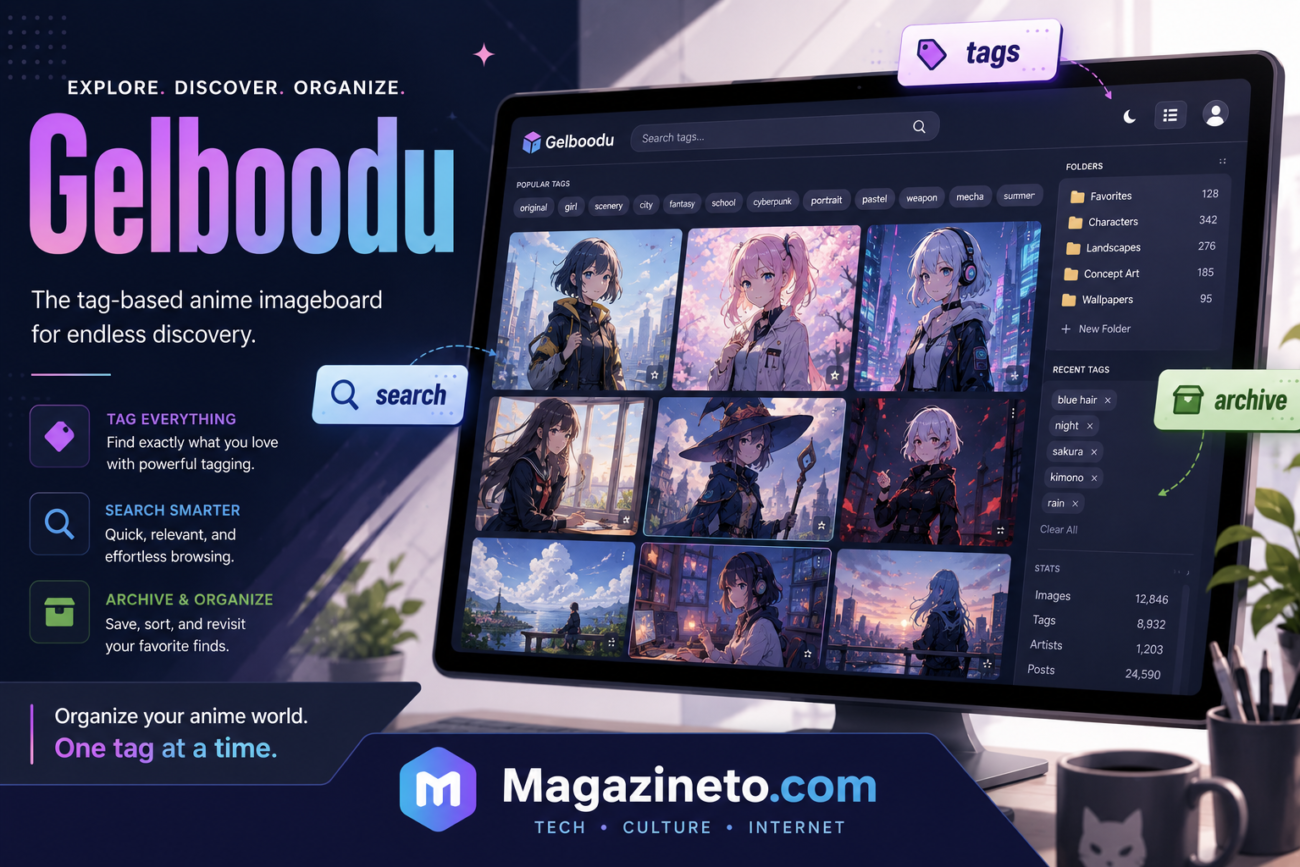
Gelboodu is a term that has started appearing across online articles, anime-related discussions, and digital art spaces. In most current descriptions, it refers to an anime-themed imageboard or a tag-based image discovery system where users can browse, upload, organize, and search visual content. The content usually centers on anime, manga, digital illustration, fan art, character images, and other visual material connected to online fandom culture.
Unlike mainstream social media platforms, Gelboodu is not mainly built around personal profiles, followers, or short posts. Its basic idea is simpler: images are stored, labeled, and made searchable through tags. This makes the platform or concept more like a visual archive than a regular social network. A user can search for a character, art style, color, series, theme, or visual detail and find related images through structured labels.
Because the term is still unclear in some parts of the internet, it is important to approach Gelboodu carefully. It does not yet have the same widely documented history as larger imageboard communities. Some websites describe it as a platform, while others treat it as a broader idea connected to organized image sharing. For readers who are new to the name, the best way to understand Gelboodu is to look at how tag-based anime imageboards work and why they matter to online visual culture.
What Is Gelboodu?
Gelboodu can be understood as an online imageboard-style space focused on anime and manga-related visuals. The main feature is its tag-based structure. Instead of placing images only into broad categories, users or moderators apply detailed tags to each image. These tags can describe the subject, character, artist, series, pose, clothing, background, color, or theme.
This approach allows users to search with more precision. For example, someone looking for a specific anime character in a certain outfit or art style may be able to combine several tags and narrow the results. This is different from many social platforms, where discovery often depends on algorithms, trending posts, or creator popularity.
Gelboodu-style platforms are useful because they turn large collections of visual content into searchable databases. When tagging is accurate, users do not have to scroll through endless unrelated posts. They can search directly and find images that match their interest.
Why Gelboodu Is Connected to Anime Culture
Anime and manga communities have always relied heavily on images. Fans share screenshots, wallpapers, character art, fan-made illustrations, edits, memes, and reference material. A single character can have thousands of artworks created by fans across different platforms. Without organization, this volume of content becomes difficult to search and manage.
Gelboodu fits into this environment because anime fandom often values detail. Fans may want to search by character name, series title, costume, expression, scene type, or art style. A tag-based imageboard gives them a practical way to do that.
For artists, this system can also help visibility. If their work is uploaded with correct tags and proper credit, it may reach users searching for that exact subject. For viewers, it creates a more direct path to the images they want. For communities, it becomes an archive that preserves visual material over time.
How Tag-Based Browsing Works
The most important part of Gelboodu is tagging. Tags are short labels attached to an image. They act like keywords, but they are usually more structured than ordinary search terms. A well-tagged image may include labels for the character, franchise, artist, clothing, hair color, setting, pose, and general theme.
This system becomes powerful when users combine tags. Instead of searching for one broad term, they can use multiple tags to filter results. This makes the browsing experience more intentional. The user is not just waiting for a feed to show something interesting. They are actively searching through a database.
However, tagging also depends on community discipline. If tags are wrong, missing, duplicated, or inconsistent, the search system becomes weaker. That is why many imageboard communities rely on users, moderators, and tagging rules to keep the archive useful.
Gelboodu Compared With Traditional Social Media
Gelboodu is different from traditional social media in several ways. Social platforms usually focus on accounts, engagement, likes, comments, followers, and fresh content. Older posts often disappear from attention unless they go viral again.
A tag-based imageboard works differently. Its value comes from organization and retrieval. An image uploaded months or years earlier can still be found if it has accurate tags. This makes the archive more permanent and searchable.
Another difference is the role of the user. On social media, users often consume what the platform recommends. On Gelboodu-style systems, users usually search more actively. The experience is less about endless scrolling and more about finding specific visual material.
Benefits of Gelboodu-Style Platforms
One major benefit is search accuracy. A strong tagging system helps users find images quickly. This is useful for fans, artists, editors, writers, and people looking for visual references.
Another benefit is organization. Anime and manga content can be difficult to manage because there are many characters, series, spin-offs, styles, and fan interpretations. Tags create order inside a large collection.
Gelboodu-style platforms can also support community knowledge. When users add or correct tags, they contribute to the quality of the archive. Over time, the platform becomes more useful because the community helps refine its structure.
Issues and Concerns
Gelboodu also raises important concerns. The first is copyright. Anime images, manga panels, screenshots, and fan art may involve rights owned by studios, publishers, artists, or individual creators. Users should be careful about reposting artwork without permission or credit.
Another concern is content moderation. Imageboards can contain a wide range of material, and not every image may be suitable for all audiences. Users should check platform rules, age restrictions, filters, and safety settings before browsing.
There is also the issue of misinformation. Because Gelboodu is not as clearly documented as major platforms, some online articles may describe it in different ways. Readers should avoid assuming that every claim about it is confirmed.
Who Uses Gelboodu?
Gelboodu is mainly relevant to anime fans, manga readers, digital art viewers, fan artists, editors, and people who prefer organized image searching. Some users may visit it to find character references. Others may use it to explore art styles, discover fan creations, or study how visual fandom communities organize content.
It may also interest people who study online culture. Gelboodu shows how internet communities build archives without relying only on large social platforms. It reflects a practical need: when a fandom produces a huge amount of visual material, people need better tools to find and sort it.
Responsible Use of Gelboodu
Anyone using Gelboodu or a similar platform should follow basic digital responsibility. Credit artists when possible. Avoid reposting work without permission. Respect content rules. Use filters when needed. Do not assume that every image is free to reuse commercially.
For writers, bloggers, and publishers, Gelboodu should not be treated as a source of verified biographical or news information. It is better understood as a visual discovery or image organization concept. If someone is writing about anime culture, imageboards, or tagging systems, Gelboodu can be discussed as part of that broader topic.
Conclusion
Gelboodu is best understood as a tag-based anime imageboard concept focused on organizing and discovering visual content. Its main strength is structure. Instead of depending on feeds or algorithms, it uses tags to help users search through large collections of anime, manga, and fan-related images.
At the same time, the term should be handled carefully because its public meaning is still developing and not every claim about it is fully verified. The safest way to describe Gelboodu is as part of the wider imageboard culture that values searchable archives, community tagging, and organized visual discovery.
For anime fans and digital art users, Gelboodu represents a practical way to explore visual content. For researchers and writers, it offers a useful example of how online communities manage large amounts of fan-made and media-related imagery. Its value comes not from hype, but from a simple idea: images become easier to find when communities organize them with clear and useful tags.
